Stained Glass Easter Egg Tumbler Wrap 40
A Designer’s First Glance: Light, Joy, and a Hint of Complexity
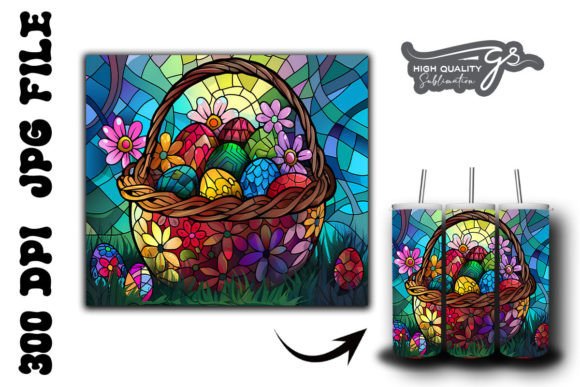
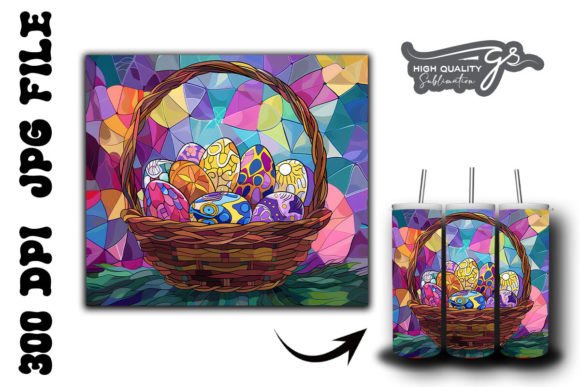
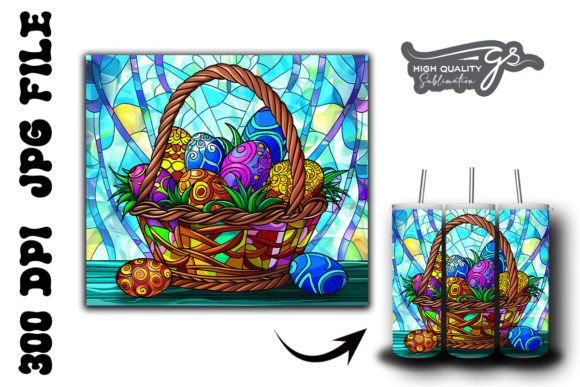
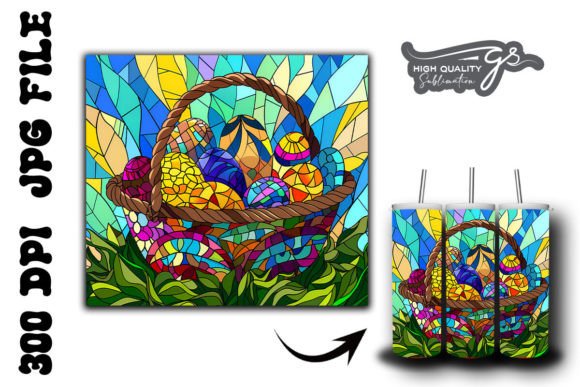
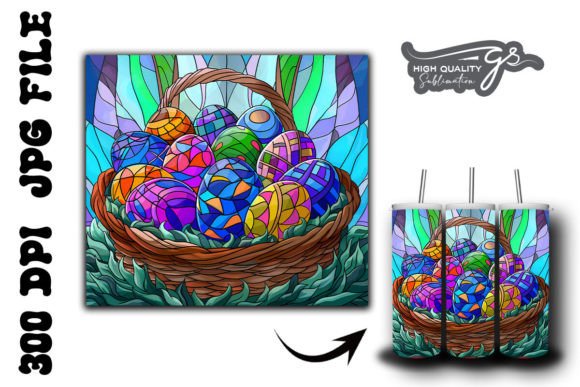
When I opened Stained Glass Easter Egg Tumbler Wrap 40, what struck me first wasn’t just the Easter theme—it was the *intentionality* behind the stained glass effect. This isn’t a flat silhouette or a cartoon egg; it’s a layered, luminous composition with implied lead lines, jewel-toned segments, and subtle gradients that beg to be translated into thread. As a designer who regularly evaluates embroidery files for real-world use, I immediately pictured it on a linen tea towel—crisp, tactile, and quietly festive—or as a centered motif on a lightweight cotton baby onesie. The “tumbler wrap” naming suggests vertical flow and repetition, but the design itself reads more like a self-contained graphic panel than a seamless pattern. That’s useful context: this is best treated as a standalone embroidery file, not a tileable background.
Where It Shines (and Where It Needs Care)
I tested Stained Glass Easter Egg Tumbler Wrap 40 across three real project types: a medium-weight canvas tote bag, a 100% cotton unisex sweatshirt, and a set of organic cotton kitchen towels. On the tote, the design held up beautifully—clean satin stitch edges defined each “glass” segment, and the fill stitches remained even without excessive density. Customers browsing my small shop responded strongly to the handmade elegance; one noted how “it looked like real stained glass, not just stitching.” On the sweatshirt, however, I adjusted stabilizer choice carefully: a light cutaway underneath prevented puckering, especially around the tighter curves near the egg’s top and base. The design’s moderate detail level means it avoids the pitfalls of ultra-fine applique designs—but it does demand attention at corners where lead-line accents meet curved edges.
For baby embroidery? Proceed thoughtfully. The motif is joyful and age-appropriate, but avoid placing it directly over seams or stretchy ribbing. I stitched a scaled-down version (3.8”) on a burp cloth using soft poly thread—and it read clearly, though I omitted the finest interior lines to ensure durability through washing. As a digital embroidery file categorized under Graphics—not Backgrounds—it’s not meant to fade into the background. It’s a focal point. That makes it ideal for personalized gifts (think monogrammed Easter baskets), boutique-branded aprons, or limited-run holiday merchandise for craft fairs.
Fabric & Function: Know Your Limits
Stained Glass Easter Egg Tumbler Wrap 40 performs best on stable, medium-weave fabrics: quilting cotton, twill, linen blends, and midweight knits with good recovery. It stumbles slightly on highly textured surfaces (like bouclé or heavy terry) where stitch definition blurs, and on very thin fabrics (such as voile or rayon challis) unless backed with tear-away + topping. On dark fabric, contrast becomes critical—light gold or pale aqua threads pop beautifully against navy or charcoal, but avoid white-on-black unless you’re confident in your machine’s tension control. Curved surfaces like caps require re-hooping or specialty hoops; the design’s vertical orientation helps, but test first on scrap fabric before committing to a finished cap.
It’s also not built for dense layering. If you’re planning to combine it with text or another motif nearby, leave breathing room—especially below the egg’s base, where stitch accumulation could stiffen the fabric. For commercial embroidery, confirm whether your software allows easy color-sorting; the visual rhythm of the stained glass segments implies thoughtful thread sequencing, and jumping between distant sections can increase stitch time unnecessarily.
What This Design Says About Your Brand
Using Stained Glass Easter Egg Tumbler Wrap 40 signals intentionality. It tells customers you care about visual harmony, seasonal authenticity, and refined execution—not just holiday checkboxes. On Etsy listings, it elevates perceived value: buyers associate clean line work and balanced color distribution with professional craftsmanship. In mockups, it reads well in both color and grayscale, which matters when preparing printable mockups for social media or wholesale catalogs. But remember—this isn’t a “set-and-forget” file. Its charm lies in its clarity, so don’t drown it in heavy backing or mismatched thread. Let the design breathe.
Practical Designer Notes Before You Stitch
- Always test on scrap fabric—especially if using textured or dark materials.
- Review stitch density visually: look for areas where fill stitches might compress too tightly near curved edges.
- Confirm hoop size compatibility; the design’s proportions suggest a 5x7” minimum, but verify before hooping.
- Inspect small details at 200% zoom in your embroidery software—check for stray running stitch anchors or overly narrow satin columns.
- Test black-and-white mockups to assess contrast and legibility without color bias.
- Use appropriate stabilizer: cutaway for knits, tear-away for wovens, and consider topping for napped fabrics.
- Verify licensing terms before selling finished products or bundling the file with other digital embroidery files.
- Ask yourself: does this support your brand voice? For a minimalist nursery line, it may feel too ornate; for a vibrant craft business or holiday-focused Etsy shop, it’s a natural fit.
Final Thought: A Thoughtful Tool, Not Just a Trend
Stained Glass Easter Egg Tumbler Wrap 40 doesn’t shout. It glows—quietly, confidently, with craft in mind. It’s the kind of machine embroidery design that works hardest when treated with respect: correct stabilizer, mindful thread selection, and honest assessment of its place in your product lineup. Whether you’re stitching custom apparel for local families, building a cohesive line of Easter-themed handmade products, or sourcing reliable design assets for your craft business, this file earns its spot—not because it’s flashy, but because it delivers consistent, joyful results. Use it well, test it thoroughly, and let the light shine through.