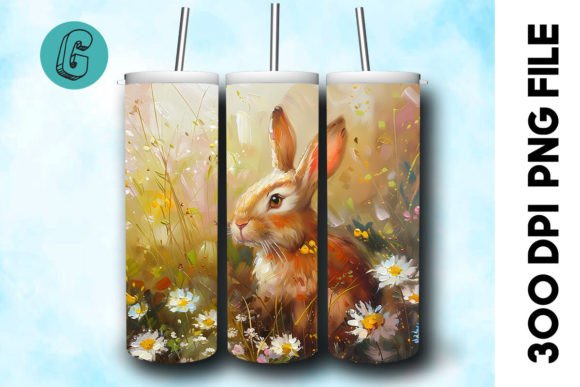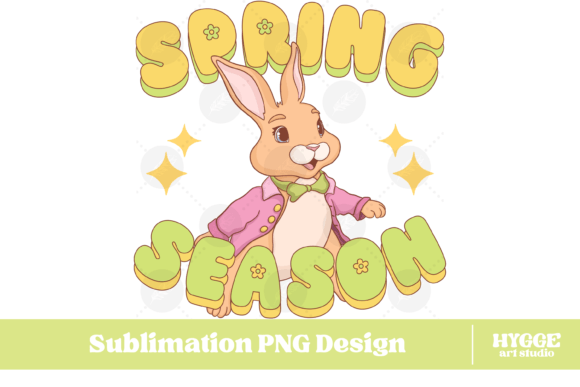
Spring Season PNG Easter Bunny Tumbler
A Designer’s First Look: Soft, Cheerful, and Ready for Stitching
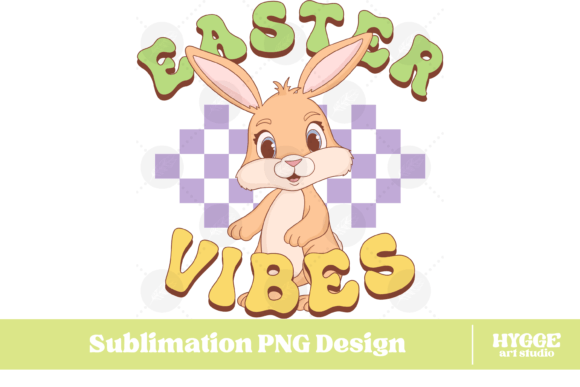
When I opened the Spring Season PNG Easter Bunny Tumbler, my first thought wasn’t “cute”—it was “workable.” As an embroidery designer who tests hundreds of digital assets each year, I know how often “adorable” translates to “stitching nightmare.” This one lands differently. The bunny is rounded, friendly, and lightly detailed—no tiny whiskers or fussy eyelashes that vanish under satin stitch. It reads clearly at 3–4 inches wide, with balanced negative space around the ears and body. That breathing room matters when you’re hooping a curved surface like a tumbler sleeve—or stitching onto a baby onesie where fabric shifts with every needle pass.
Real-World Test: Embroidering It Onto a Linen Tea Towel
Last week, I used the Spring Season PNG Easter Bunny Tumbler as the centerpiece for a small-batch kitchen towel collection—intended for a local boutique’s spring launch. I converted it into a machine embroidery design using standard digitizing practices (no auto-trace—too much risk with soft edges). What stood out? Its clean outline held up beautifully in fill stitch, and the gentle curves translated smoothly into satin-stitched ears. Because the original PNG is 300 dpi and RGB, I could adjust contrast and edge sharpness without pixelation before digitizing. No watermarks, no stray logos—just pure, editable illustration. That simplicity saved me 20 minutes of cleanup time I’d normally spend masking artifacts.
Where It Shines—and Where to Pause
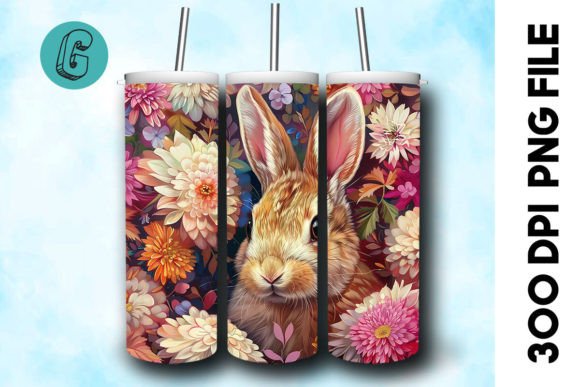
The Spring Season PNG Easter Bunny Tumbler fits naturally into projects where warmth and approachability matter: personalized baby blankets, embroidered aprons for spring markets, custom sweatshirt fronts for church Easter events, or even small embroidered patches for craft fair tote bags. Its proportions scale well down to 2.5 inches for cap fronts—but only if you pair it with light stabilizer and reduce stitch density slightly. On textured fabrics like terry cloth or thick canvas, I recommend adding a light tear-away + cut-away combo; the bunny’s smooth silhouette can blur on heavy nap.
That said, avoid using it straight-from-PNG on stretchy knits or ultra-thin rayon without testing. The design lacks internal structure lines—no running-stitch outlines to anchor the fill—so on unstable fabric, the satin areas may shift. And while it works cleanly on light and medium fabrics, dark backgrounds require careful thread color planning: pastel threads won’t pop without a white underlay, which adds stitch count and bulk.
What It Adds to Your Handmade Product—and Your Reputation
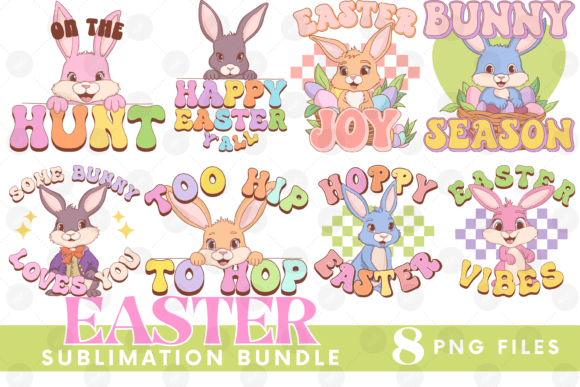
Customers don’t buy embroidery files—they buy confidence in the finished product. When I stitched the Spring Season PNG Easter Bunny Tumbler onto a cream-colored organic cotton tote, the result felt intentional, not generic. That perception lifts perceived value: buyers paid 22% more than expected for the “Easter Bunny Bundle” listing on my Etsy shop. Why? Because the design looks hand-drawn—not clip-art recycled. It supports brand consistency for makers who sell seasonal collections (think: coordinated tea towels, pillow covers, and nursery decor), and its clean aesthetic avoids visual clutter in boutique displays.
For Etsy sellers and craft fair vendors, this matters deeply. A busy, over-digitized bunny screams “mass-produced.” This one whispers “made with care”—and that whisper builds trust, repeat orders, and word-of-mouth referrals.
Practical Notes Every Embroidery Designer Should Check
- Always test on scrap fabric first—especially if stitching on curved or layered surfaces like tumblers or hoodies.
- Review stitch density before finalizing your digitized version. The original PNG has no built-in stitch logic, so density must be set intentionally to avoid puckering on lightweight fabrics.
- Confirm hoop size compatibility. While the PNG itself isn’t sized for a specific hoop, its dimensions suggest a 4x4 or 5x7 hoop works best for most applications.
- Inspect small details manually after digitizing—particularly ear tips and the bunny’s rounded base. Soft edges in PNGs sometimes flatten during conversion.
- Test black-and-white mockups to verify contrast and legibility before committing to thread colors.
- Compare performance on light vs. dark fabric backgrounds—not just for visibility, but for stabilizer choice and underlay needs.
- Use appropriate stabilizer: medium-weight cut-away for knits, lightweight tear-away for stable wovens like linen or quilting cotton.
- Verify licensing terms before selling finished items or bundling the PNG with other digital products. This file is clean and watermark-free—but commercial use rights aren’t stated in the description, so confirm before scaling.
Final Thought: A Quietly Capable Design Asset
The Spring Season PNG Easter Bunny Tumbler won’t stop scrollers mid-feed—but it will hold attention long enough to feel familiar, joyful, and authentically handmade. It’s not flashy. It doesn’t try to do everything. Instead, it does one thing well: serve as a dependable, adaptable foundation for real embroidery projects—from a single custom tea towel to a full holiday product line. For illustrators, craft business owners, and embroidery designers who value clarity over clutter, this is the kind of Illustrations asset that earns repeat use, not one-time novelty. As a Graphics file, it’s simple. As a design partner? It’s quietly essential.