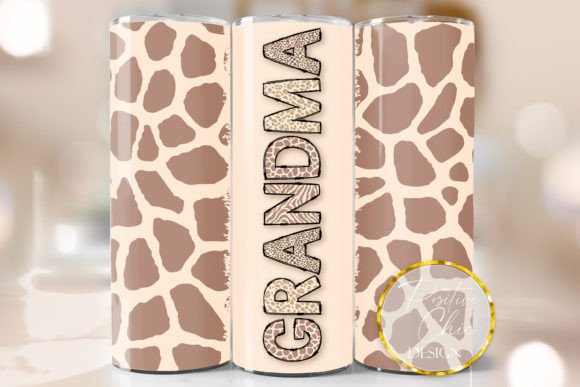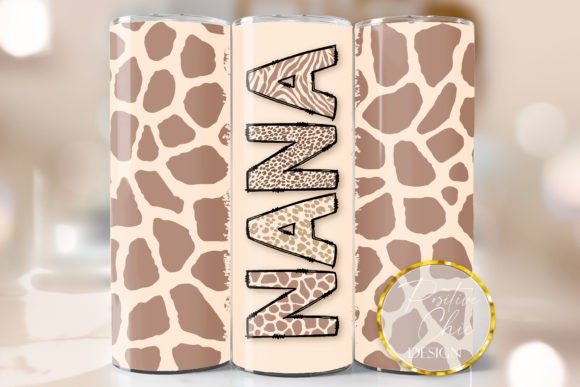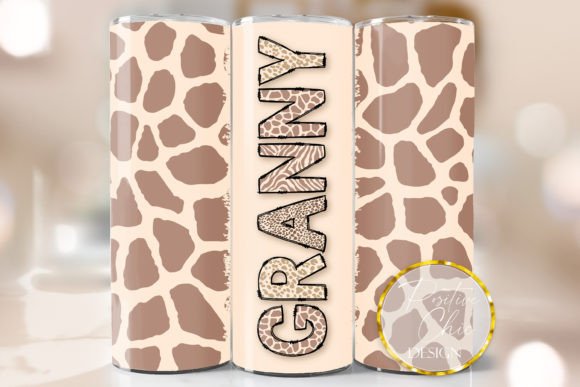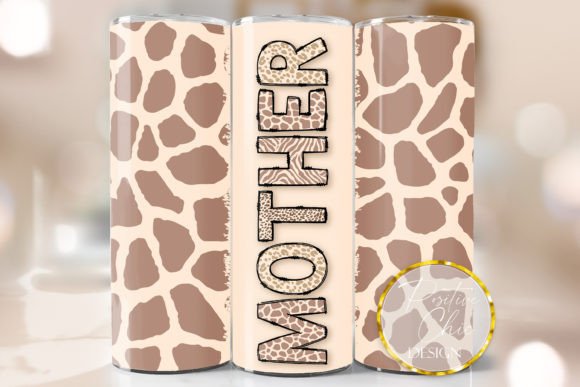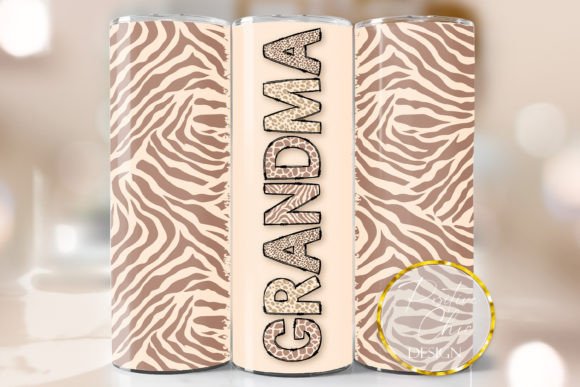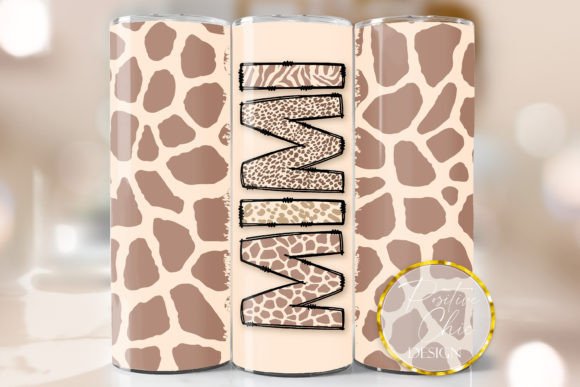
Mimi 20 Oz Tumbler Wrap PNG Animal Print
First Impressions: Bold, Playful, and Surprisingly Versatile
When I opened the Mimi 20 Oz Tumbler Wrap PNG Animal Print, my first thought wasn’t “tumbler”—it was “patch.” The layout—long and narrow, with a rhythmic, repeating animal print motif—immediately suggested a wrap-around band for a skinny tumbler, yes, but also a striking border for a baby onesie, a lively cuff on an apron, or even a custom embroidered patch for a denim jacket. At roughly 9.3 × 8.2 inches and 300 DPI, it’s crisp enough for close inspection, yet its organic flow avoids feeling rigid or overly engineered. There’s warmth in the pattern’s repetition—not sterile symmetry, but a gentle rhythm that feels handmade, not mass-produced. That matters deeply when you’re building trust with customers who pay a premium for authenticity.
A Real-World Test: Turning It Into a Boutique Sweatshirt Design
Last week, I used the Mimi 20 Oz Tumbler Wrap PNG Animal Print as the foundation for a limited-run embroidered sweatshirt for a local nursery boutique. Instead of wrapping it around the full circumference (which would’ve required precise seam alignment), I cropped and mirrored a 6-inch segment to run vertically down the left sleeve—creating a subtle, high-end detail that caught eyes without shouting. Customers responded strongly: “It feels special, not generic,” one told me. That’s the quiet power of this design—it carries personality without demanding attention. It works because the animal print is stylized, not photorealistic—clean lines, open negative space, and balanced density mean it translates well into stitch without collapsing or bleeding.
Where It Shines (and Where It Needs Care)
The Mimi 20 Oz Tumbler Wrap PNG Animal Print excels on stable, medium-weight fabrics: cotton twill for tote bags, fleece-lined sweatshirts, linen tea towels, and structured pillow covers. Its horizontal orientation makes it ideal for waistbands, hem accents, or lapel bands on custom caps. As a machine embroidery design, it handles fill stitch and satin stitch transitions smoothly—no jagged edges or over-stitched corners—so long as your digitizing (or the original digitizer’s work) respects fabric behavior.
But be thoughtful: on thin or stretchy fabrics like jersey or lightweight rayon, use cutaway stabilizer and reduce stitch density slightly—those repeating motifs can pull if tension isn’t dialed in. On dark fabric, test thread colors carefully; warm-toned animal prints (think amber leopard or charcoal zebra) gain depth with matte poly thread, while glossy threads can flatten the texture. And avoid placing it across curved seams—like the crown of a cap—unless you’re willing to split and reposition the design manually. This isn’t a one-click “hoop and go” file for complex 3D surfaces.
What It Adds to Your Handmade Product—and What It Doesn’t
This Mimi 20 Oz Tumbler Wrap PNG Animal Print elevates perceived value instantly. A plain black tote becomes boutique-ready. A basic crewneck transforms into a personalized gift for a safari-themed baby shower. That’s not magic—it’s smart visual hierarchy. The pattern has enough detail to feel intentional, but enough breathing room to stay legible at small scales. For Etsy sellers and small shop owners, that balance is gold: it reads clearly in thumbnail mockups, supports cohesive branding (pair it with coordinating monogram fonts or minimalist labels), and encourages repeat engagement—customers tag friends, ask about customization, and return for matching items.
That said, it doesn’t replace craftsmanship. If your stitching is uneven or your hoop placement sloppy, the design won’t hide it. It amplifies what’s already there—so if your finished product feels rushed, the animal print won’t distract from that. It rewards care: proper hooping, consistent tension, and intentional thread selection all show up in the final piece.
Practical Designer Notes Before You Stitch
- Always test on scrap fabric first—especially if using textured or blended fabrics. See how the motif settles into the weave.
- Review stitch density visually before loading into your machine. Dense areas should have clear separation; if shapes blur together, adjust underlay or reduce fill percentage.
- Confirm hoop size compatibility. While the PNG itself is 9.3 × 8.2 inches, the actual embroidery file (if converted or purchased separately) may require a larger hoop—don’t assume it fits a standard 5×7 unless verified.
- Inspect small details in black-and-white mockups. Some animal prints lose contrast on dark backgrounds; verify readability without color crutches.
- Use appropriate stabilizer: tear-away for stable cottons, cutaway for knits or lightweight linens, and optional topping for fuzzy fabrics like fleece.
- Check licensing terms carefully. Since this is a digital embroidery file marketed for commercial use, confirm whether resale of finished embroidered goods is permitted—and whether attribution or license renewal is required.
Beyond the Tumbler: Unexpected Uses That Work
I’ve seen the Mimi 20 Oz Tumbler Wrap PNG Animal Print succeed in places its title never hints at: as a repeating border on holiday kitchen towels (stitched in festive red-and-cream thread), as a framed applique design on a quilted baby blanket, and even resized down to 3 inches for a delicate embroidered patch on a child’s backpack. Its strength lies in scalability and mood—not strict function. For craft business owners, that flexibility means one design asset can support multiple product lines without diluting brand voice. It’s equally at home in a modern farmhouse Etsy shop or a playful children’s boutique.
A Final Thought for Makers Who Value Integrity Over Hype
The Mimi 20 Oz Tumbler Wrap PNG Animal Print won’t go viral on its own—but it will earn quiet respect. It’s the kind of design that makes customers pause mid-scroll, tilt their head, and say, “I want that on something real.” Not because it’s flashy, but because it feels considered. In a market flooded with overdesigned graphics and hollow trends, that grounded, wearable charm is rare. Use it with intention, stitch it with care, and let the animal print do what it does best: add warmth, rhythm, and unmistakable handmade character to whatever you make next.