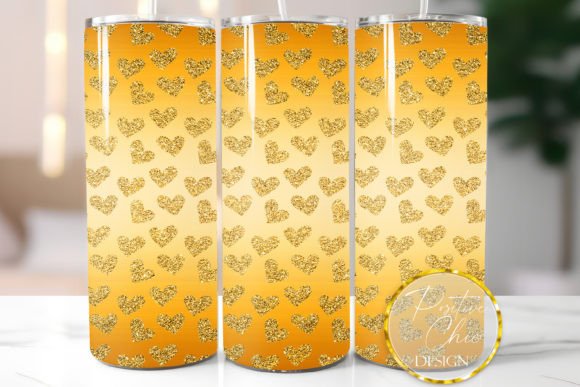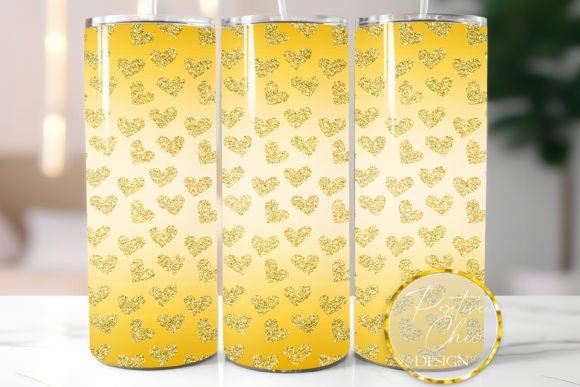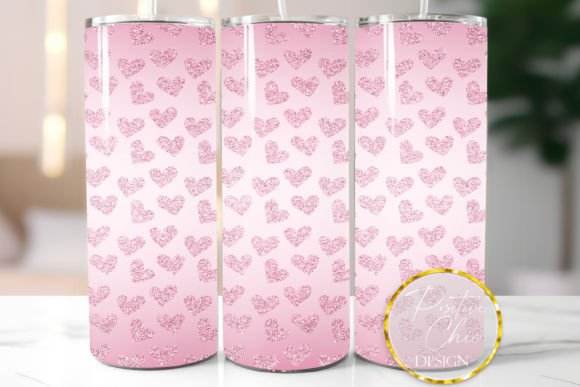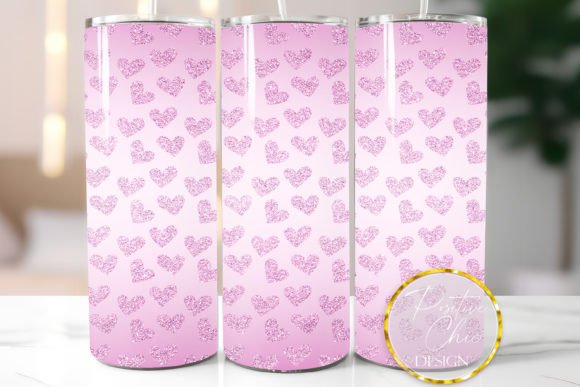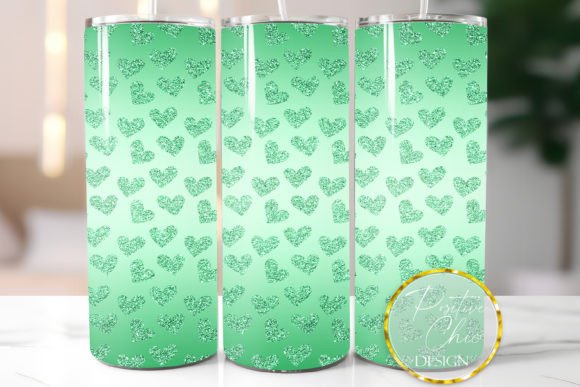
Glitter Tumbler Wrap Green Hearts Design
A Designer’s First Look: Charm with a Catch
When I opened the Glitter Tumbler Wrap Green Hearts Design, my first thought wasn’t “sparkle”—it was “intention.” The layout is clean and centered, built for symmetry and impact: a cluster of stylized green hearts, slightly overlapping, with subtle glitter texture implied through contrast and edge definition. It reads as joyful but not cutesy—ideal for spring collections, baby showers, or eco-conscious brands leaning into soft, natural palettes. As a machine embroidery design, it doesn’t scream “complex,” but it doesn’t play small either. That balance matters—especially if you’re stitching for real clients or listing on Etsy.
Where This Design Earns Its Keep
I tested the Glitter Tumbler Wrap Green Hearts Design on a linen-cotton tea towel and a midweight organic cotton tote bag—two staples in my craft business inventory. On both, it stitched cleanly with minimal thread breaks. The heart shapes hold up well in satin stitch, especially when paired with a medium-weight cutaway stabilizer. No floating or puckering. That’s huge for small shop owners who can’t afford re-dos on customer orders.
It also translated beautifully to a baby onesie (using tear-away + lightweight topping), where the scale felt gentle—not overwhelming—and the green read as fresh, not clinical. For holiday embroidery, I layered it subtly on a cream knit pillow cover alongside minimalist snowflakes; the hearts added warmth without clutter. And yes—it works as an embroidered patch too, though you’ll want to reinforce the edges with a zigzag or merrow finish for durability.
For Etsy sellers and digital product creators, this design shines in printable mockups. At 300 DPI and roughly 9.3 x 8.2 inches, it scales down cleanly for social thumbnails and up for banner previews—no pixelation, no jagged edges. As a graphics asset, it bridges sublimation and embroidery use cases, which is rare and valuable for multi-channel craft businesses.
Where to Pause—and Plan Ahead
This isn’t a one-size-fits-all embroidery file. The Glitter Tumbler Wrap Green Hearts Design leans into visual weight, so it needs breathing room. Avoid cramming it onto curved surfaces like baseball caps unless you’re using a cap frame and reducing density by 10–15%. On stretchy fabric (think ribbed knits or lightweight jersey), test first with basting stitches—you’ll likely need a light fusible stabilizer *under* the fabric, not just behind it.
Dark fabrics demand attention: that green relies on tonal contrast, not neon pop. On charcoal or navy, opt for a slightly brighter kelly or mint thread—don’t assume the RGB green in the PNG will translate directly. And while the design avoids tiny lettering or micro-details, the inner curves of each heart do tighten at smaller sizes. If you’re planning a 3-inch hoop version for a child’s apron, zoom in on your embroidery software and check stitch continuity before finalizing.
Also note: this is a PNG-only download—no SVG, no DST, no PES. That means it’s not ready-to-stitch out of the box. You’ll need to digitize it yourself or hire a digitizer. For commercial embroidery projects, that adds time and cost—but gives you full control over stitch type, density, and underlay. Just remember: higher density = more thread, more stabilizer, more wear over time. For frequently washed items like kitchen towels or baby clothes, keep fill stitch density moderate.
Real-World Fit: A Boutique Sweatshirt Launch
Last month, I used a modified version of the Glitter Tumbler Wrap Green Hearts Design on a limited-run unisex sweatshirt for a local botanical boutique. We placed it left-chest, scaled to 4.2 inches wide. Customers responded immediately—not just to the green (which matched their logo), but to how *crafted* it felt. The satin stitch sheen caught light without glare; the spacing between hearts allowed the fabric texture to show through. It didn’t look mass-produced. That handmade presentation builds trust—especially when buyers are paying premium prices for custom apparel.
What sealed the deal? Consistency. We used the same design across embroidery, printed tote bags, and digital greeting cards—keeping color, proportion, and mood aligned. That kind of brand cohesion starts with smart design assets like this one.
Practical Notes Every Embroidery Designer Should Run Through
- Test first: Stitch a sample on scrap fabric matching your final project’s weight and weave—even if it’s “just green hearts.”
- Check thread colors: Swatch three greens (olive, sage, emerald) on your base fabric. Lighting changes everything.
- Review stitch density: High density looks lush but can stiffen delicate fabrics. Adjust based on end use.
- Confirm hoop size compatibility: The PNG dimensions suggest a minimum 5x7 hoop for best clarity—verify before digitizing.
- Inspect corners and curves: Zoom in digitally. Are inner heart points sharp? Do outer edges flow smoothly?
- Mock it in black and white: Helps spot contrast issues before committing thread or fabric.
- Compare light vs. dark backgrounds: Does the design retain legibility and charm on both?
- Use proper stabilizer: Cutaway for knits, tear-away for stable wovens, topping for textured surfaces.
- Clarify licensing: Since this is a digital embroidery file sold as a Crafts/Graphics asset, confirm whether personal *and* commercial use (including finished product resale) is permitted.
Final Thought: Not Just a Design—A Conversation Starter
The Glitter Tumbler Wrap Green Hearts Design won’t replace your core monogram or signature motif—but it fills a quiet, meaningful gap: joyful, gender-neutral, nature-adjacent embroidery that feels intentional, not incidental. It works for personalized gifts that land emotionally (a new mom’s nursing pillow), boutique merchandise that stands out at craft fairs, and small shop branding that whispers rather than shouts. As a designer, I appreciate that it leaves room—for your voice, your thread choices, your fabric story. That’s the mark of good design assets. Not perfection. Presence.